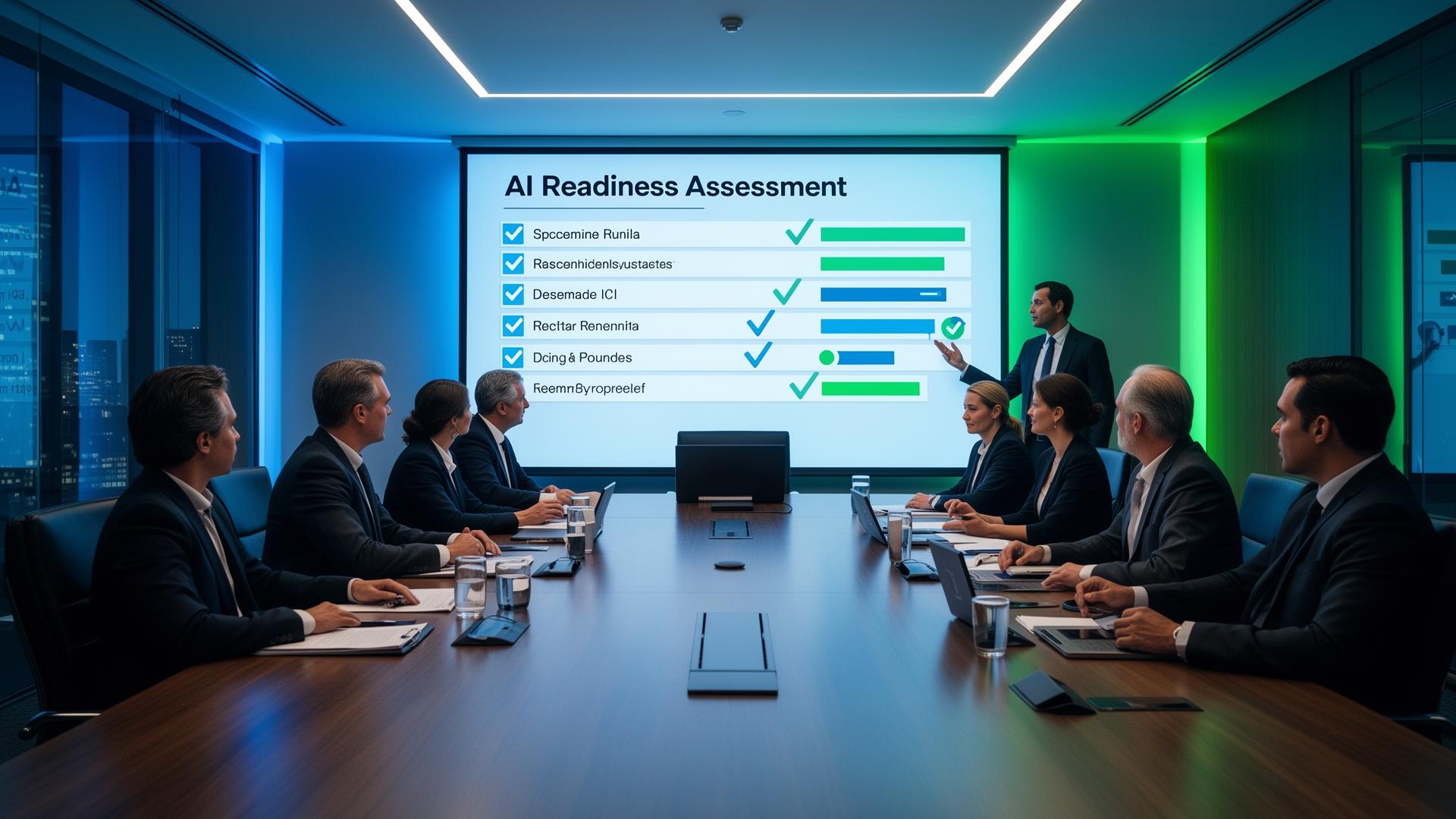
Before diving into AI implementation, organizations need to honestly assess their readiness across multiple dimensions. This checklist provides a structured framework to evaluate where you stand and what gaps need to be addressed for successful AI adoption.
Why AI Readiness Matters
Studies show that 70-80% of AI projects fail to deliver expected value. The primary reasons aren't technical-they're organizational. Companies that invest in readiness assessment before implementation see significantly higher success rates.
AI readiness isn't about having perfect conditions-it's about understanding your starting point and building a realistic roadmap that addresses gaps while leveraging existing strengths.
The 6 Pillars of AI Readiness
1. Strategic Alignment
AI initiatives must connect to clear business objectives and have executive sponsorship.
2. Data Foundation
Quality data is the fuel for AI. Assess your data infrastructure and governance.
3. Technical Infrastructure
The right technical foundation enables scalable AI deployment.
4. Talent & Skills
People drive AI success. Evaluate your team's capabilities and learning culture.
5. Culture & Change Management
AI adoption requires cultural readiness and effective change management.
6. Ethics & Governance
Responsible AI requires clear ethical guidelines and governance structures.
Scoring Your Readiness
Rate each pillar on a scale of 1-5 based on how many checklist items you can confidently check off:
1-2
Foundation Phase
Focus on building basics before AI projects
3
Development Phase
Ready for pilot projects with targeted scope
4-5
Scaling Phase
Ready for enterprise-wide AI deployment
Next Steps
After completing this assessment, prioritize the pillars with the lowest scores. Don't try to fix everything at once-focus on 1-2 areas that will have the biggest impact on your specific AI goals.
Remember: AI readiness is a journey, not a destination. Regular reassessment ensures you're continuously improving and adapting to new challenges and opportunities.